Suspension repair signs may not be the first thing on a driver’s mind, but they play a crucial role in ensuring a smooth and safe ride. Recognizing these signs early can save you from costly repairs and enhance your vehicle’s performance.
From unusual noises when hitting bumps to visual indicators like uneven tire wear, understanding the symptoms of suspension issues can help you maintain your vehicle’s health and safety. This article dives into the common signs, their implications, and the importance of timely repairs.
Signs of Suspension Issues
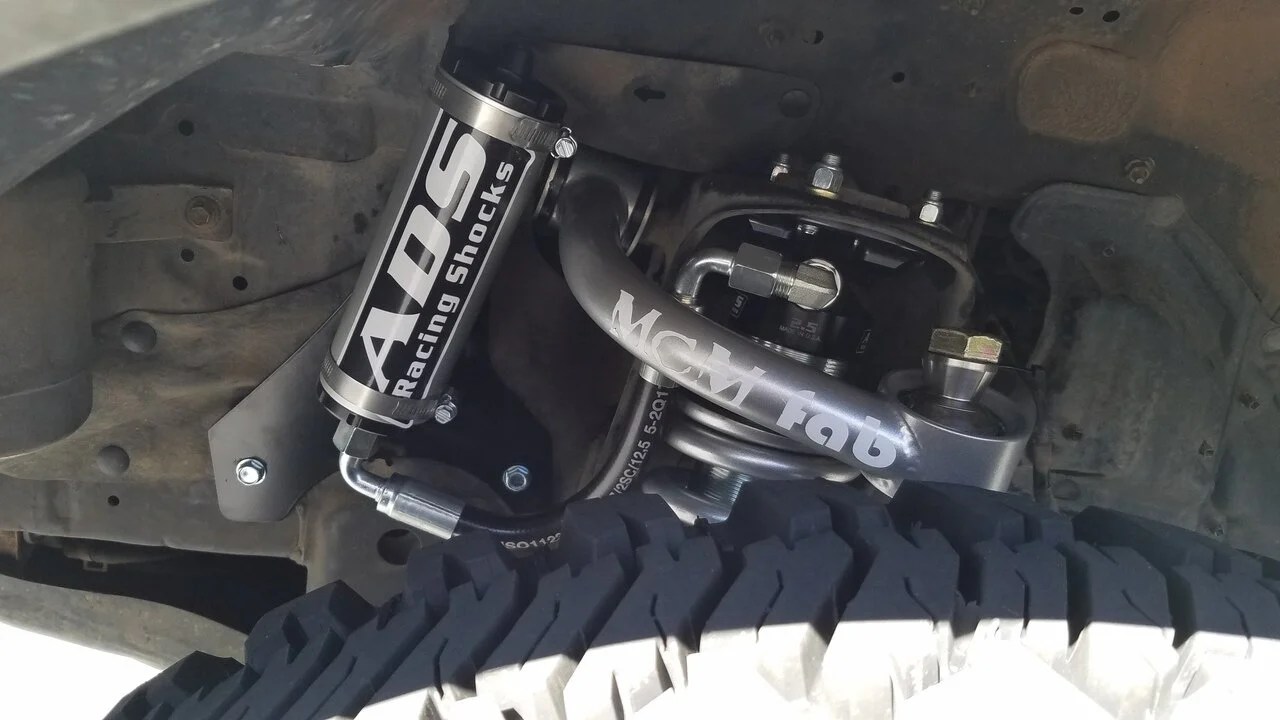
The suspension system of a vehicle plays a crucial role in ensuring a smooth ride and maintaining vehicle control. When issues arise within this system, they can lead to various driving difficulties and safety concerns. Recognizing the signs of suspension problems early can prevent more severe damage and costly repairs down the line.Unusual noises while driving are a common indicator of suspension problems.
Drivers should be alert to various sounds that may suggest suspension failure. These noises often stem from worn or damaged components in the suspension system.
Recognizing Unusual Noises
Identifying specific noises can provide clear insights into the condition of your suspension. Here are some typical sounds that may signal issues along with what they might indicate:
- Clunking or banging sounds: These noises often occur over bumps and might indicate loose or worn-out components such as sway bar links or shock absorbers.
- Squeaking or squealing: A rubber bushing or joint may need lubrication or replacement if you hear these sounds while driving or turning.
- Grinding noises: This sound could signal a more severe problem, such as worn struts or shocks that might need immediate attention.
- Thumping noises: These often arise from the suspension components moving excessively due to wear, suggesting the need for repair or replacement.
Visual Cues of Suspension Problems
Visual inspections can reveal important signs of suspension issues. Regularly checking your vehicle can help you catch problems before they escalate. Here are a few cues to look for:
- Uneven tire wear: If you notice one tire wearing more than others, it may indicate that the suspension system is not properly aligned or functioning.
- Vehicle sagging: A noticeable lean to one side can suggest that a spring or shock is failing, affecting the overall balance of the vehicle.
- Fluid leaks: Look for oils or fluids near the shocks or struts, which can indicate a loss of pressure and functionality.
- Height inconsistencies: If the vehicle appears higher or lower at one corner compared to others, it may warrant further inspection of the suspension components.
Regular maintenance and inspections of your suspension system can enhance safety and improve driving comfort. Addressing minor issues early can prevent more extensive repairs later.
Importance of Timely Suspension Repairs
Ignoring suspension repair signs can lead to significant issues that compromise the safety and performance of your vehicle. When suspension components fail, it can result in uneven tire wear, poor handling, and a decrease in ride comfort. Beyond the immediate discomfort, neglecting these repairs can lead to more severe damage to other parts of the vehicle, ultimately resulting in more costly repairs.Addressing suspension maintenance promptly is crucial for ensuring the safety and handling of your vehicle.
A well-maintained suspension system enhances traction and stability, allowing for better control during acceleration, braking, and cornering. It directly impacts how your vehicle interacts with the road, making timely repairs essential for both driver and passenger safety. Moreover, maintaining your suspension can help preserve the longevity of tires and other related components, saving you money in the long run.
Consequences of Ignoring Suspension Issues
The potential consequences of ignoring suspension repair signs can be severe. Here are some critical points to consider regarding the impact of neglecting suspension maintenance:
-
Increased Risk of Accidents:
A damaged suspension system can lead to loss of control while driving, increasing the likelihood of accidents.
-
Decreased Vehicle Lifespan:
Failing to repair suspension issues can cause additional strain on other vehicle systems, leading to a shorter overall lifespan.
-
Higher Repair Costs:
Ignoring early signs of suspension problems can escalate minor issues into major failures, resulting in significantly higher repair costs.
-
Poor Ride Comfort:
A malfunctioning suspension results in a bumpy ride, making driving uncomfortable for everyone in the vehicle.
Assessing how quickly suspension issues should be addressed involves paying attention to various signs and symptoms. Regular inspections can help identify potential problems early on and determine their severity. Here are some effective methods for evaluating the urgency of suspension repairs:
Methods to Assess Suspension Repair Urgency
Understanding when to act on suspension issues can prevent further damage. Here are some methods to gauge the urgency of suspension repairs:
-
Visual Inspection:
Regularly check for visible signs of wear, such as leaking fluid, cracks, or broken components.
-
Ride Quality Assessment:
Pay attention to changes in how the vehicle handles, such as excessive bouncing or swaying during turns.
-
Tire Condition Monitoring:
Inspect tires for uneven wear patterns that indicate suspension misalignment or failure.
-
Listening for Noises:
Unusual sounds like clunking or rattling when driving over bumps can signal worn suspension parts.
-
Professional Evaluation:
If in doubt, consult a qualified mechanic for a thorough inspection and assessment of suspension components.
Automotive Repair Processes for Suspension
Suspension repair is crucial for maintaining vehicle safety and ride quality. When suspension components wear out or fail, it can lead to a host of driving issues, including poor handling and excessive tire wear. Understanding the repair processes involved can help you grasp what goes into restoring a vehicle’s suspension system effectively.When repairing a suspension, standard procedures typically include inspecting and diagnosing the issues, replacing worn or damaged parts, and ensuring that the system is properly aligned and functioning.
Here are the essential steps and tools required during suspension repairs.
Standard Procedures for Suspension Repair
The standard procedures involved in suspension repair typically include the following steps:
1. Inspection and Diagnosis
The first step is to thoroughly inspect the suspension system. Technicians look for signs of wear, such as leaking shock absorbers, damaged bushings, or broken springs. A diagnostic test drive may also be conducted to identify issues related to handling and stability.
2. Parts Replacement
Based on the diagnosis, the necessary components are identified for replacement. Commonly replaced parts include:
Shock absorbers
– Struts
Control arms
Ball joints
Coil springs and leaf springs
Bushings and sway bar links
3. Alignment Check
After replacing parts, it is crucial to perform a wheel alignment to ensure that the vehicle tracks straight and that tire wear is minimized. Misalignment can result from suspension repairs, so this step is vital.
4. Final Inspection
Once repairs are complete, a final inspection ensures all components are correctly installed and functioning as intended. A test drive may be conducted to assess performance.
Tools and Equipment for Suspension Repairs
Having the right tools and equipment is essential for effective suspension repairs. Here are some of the key items that technicians typically need:
Basic Hand Tools
Wrenches, sockets, and screwdrivers to remove and install suspension components.
Jack and Jack Stands
To safely lift the vehicle and support it while repairs are made.
Spring Compressors
Tools specifically designed to safely compress coil springs when replacing struts or springs.
Torque Wrench
To ensure that fasteners are tightened to the manufacturer’s specifications.
Alignment Equipment
Tools such as alignment racks or machines to check and adjust the vehicle’s wheel alignment.
Testing a Vehicle’s Suspension System
Testing a vehicle’s suspension system is critical to ensure all components are functioning properly. Here’s a step-by-step guide on how to effectively test the system:
1. Bounce Test
Push down on the front or rear of the vehicle and release. Observe how many times the vehicle bounces. If it bounces more than two or three times, the shocks or struts may need replacement.
2. Visual Inspection
Check for leaks or damage on shocks and struts. Inspect bushings and joints for wear or cracking.
3. Test Drive
Drive the vehicle over various surfaces, including potholes and bumps. Pay attention to how the vehicle responds. Look for excessive swaying or bouncing, which can indicate suspension issues.
4. Check for Noise
Listen for any unusual noises when driving over bumps. Clunks or rattles can signify worn components.
5. Check Tire Wear
Inspect tires for uneven wear patterns. This can indicate alignment problems or worn suspension parts.By following these procedures and utilizing the right tools, a technician can ensure that a vehicle’s suspension system is properly repaired and performs at its best.
Last Word
In conclusion, being aware of suspension repair signs can prevent minor issues from escalating into major problems. By regularly monitoring your vehicle and addressing any concerning signs promptly, you can ensure a safer driving experience and prolong the life of your suspension system.
Detailed FAQs
What are the most common signs of suspension problems?
Common signs include a bumpy ride, excessive tire wear, and the vehicle leaning to one side.
How can I tell if my suspension is failing?
Listen for unusual noises like clunks or squeaks, and observe if your vehicle bounces excessively or has difficulty maintaining a straight path.
How often should I check my suspension system?
It’s recommended to have your suspension checked during routine maintenance services or if you notice any irregularities in your vehicle’s handling.
Can I drive with suspension issues?
Driving with suspension issues is not advisable as it can compromise your safety and lead to further damage to your vehicle.
What should I do if I notice suspension repair signs?
Consult a professional mechanic as soon as possible for a thorough inspection and necessary repairs.