
battery replacement car sets the stage for this enthralling narrative, offering readers a glimpse into a story that is rich in detail and brimming with originality from the outset.
From understanding the various types of car batteries and their specifications to mastering the replacement process, this guide covers everything you need to know. Whether you’re looking to identify the right battery for your vehicle or seeking advice on common mistakes to avoid while replacing one, we’ve got you covered.
Battery Types and Specifications
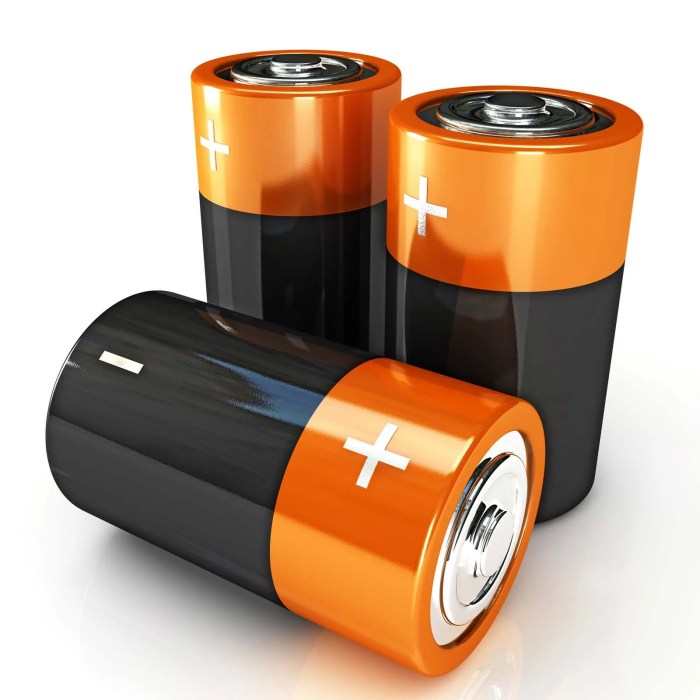
Car batteries are essential components that power vehicles by providing the energy needed to start the engine and run electrical systems. Understanding the different types of car batteries and their specifications is crucial for selecting the right one for specific vehicle models. Factors such as battery size, type, and performance characteristics can vary widely, so having a solid grasp of these elements is vital for maintaining vehicle reliability and efficiency.There are several types of car batteries available, each with unique specifications that cater to different needs.
The most common types include lead-acid, absorbed glass mat (AGM), and lithium-ion batteries.
Types of Car Batteries
Lead-acid batteries are the most traditional and widely used type, known for their affordability and reliability. Here are important specifications and details for each battery type:
-
Lead-Acid Batteries:
These batteries are composed of lead dioxide and sponge lead, submerged in sulfuric acid. They typically have a lifespan of 3 to 5 years.Lead-acid batteries generally provide a high surge current which is essential for starting engines.
-
Absorbed Glass Mat (AGM) Batteries:
AGM batteries are a type of lead-acid battery that utilizes fiberglass mats to absorb the electrolyte, making them spill-proof and more durable. They last longer, often up to 7 years, and are well-suited for vehicles with high electrical demands.AGM batteries have higher cyclic stability and are preferable for vehicles that require frequent stops and starts.
-
Lithium-Ion Batteries:
Although less common in traditional vehicles, these batteries are increasingly used in electric vehicles due to their lightweight and high energy density. They can last up to 10 years with proper care.Lithium-ion batteries charge faster and have a higher energy capacity, making them ideal for modern electric and hybrid vehicles.
Identifying Correct Battery Size and Type
Choosing the correct battery size and type is essential for ensuring optimal vehicle performance. Each vehicle model has specific requirements based on its electrical system and space constraints. The group size of a battery, which indicates its physical dimensions and terminal configuration, can be found in the owner’s manual or on the manufacturer’s specifications.When selecting a battery, consider the following aspects:
- Check the vehicle’s specifications for the recommended battery group size.
- Pay attention to the Cold Cranking Amps (CCA) rating, which indicates the battery’s ability to start the engine in cold weather.
- Consider the Reserve Capacity (RC) rating, which shows how long the battery can run on its own when the alternator is not providing power.
Temperature Impact on Battery Performance
Temperature plays a significant role in battery performance and lifespan. High temperatures can accelerate the chemical reactions within the battery, leading to faster degradation. Conversely, cold temperatures can slow down these reactions, reducing battery efficiency and starting power.
-
High Temperatures:
Extreme heat can cause battery fluid to evaporate, leading to a shorter lifespan. For instance, a battery exposed to high heat can lose up to 40% of its lifespan compared to one in a moderate environment. -
Low Temperatures:
Cold weather can decrease battery capacity and increase the power needed to start the vehicle. A 32°F drop can reduce a battery’s performance by about 50%.
Battery Replacement Process
Replacing a car battery is a straightforward yet crucial task that every vehicle owner should know how to perform. Whether you’re facing the inconvenience of a dead battery or simply planning to upgrade, understanding how to safely replace your car battery can save you time and money. This guide walks you through the step-by-step process, the tools you’ll need, and common pitfalls to avoid.
Step-by-Step Guide for Battery Replacement
Before diving into the replacement, ensure you have a clear workspace and all necessary tools at hand. Below is a simple step-by-step process to replace your car battery:
- Park Safely: Begin by parking your vehicle on a level surface and turning off the ignition. Engage the parking brake to prevent any movement.
- Gather Tools: Collect the tools you need: a ratchet and socket set (typically 10mm), a wire brush or battery terminal cleaner, and safety gloves and goggles.
- Disconnect Negative Terminal: Always disconnect the negative (-) terminal first to prevent any electrical shorts. Use your ratchet to loosen the bolt and carefully remove the cable.
- Disconnect Positive Terminal: Repeat the same process for the positive (+) terminal. Be cautious not to let the wrench touch any metal parts of the car while you do this.
- Remove Battery Hold-Down: Some batteries are secured with a hold-down bar or clamp. Use the ratchet to remove this before lifting the battery out.
- Lift Out the Old Battery: Batteries can be heavy, so lift it out carefully, using proper lifting techniques to avoid injury.
- Clean Battery Tray: Before installing the new battery, clean the battery terminals and tray using a wire brush to remove corrosion.
- Install New Battery: Place the new battery in the tray and secure it with the hold-down bar or clamp.
- Reconnect Positive Terminal: Start by connecting the positive (+) terminal first and tightening the bolt securely.
- Reconnect Negative Terminal: Lastly, reconnect the negative (-) terminal. Ensure both terminals are tightly secured.
- Test the Installation: Start your car to ensure the battery is functioning correctly. Check for any warning lights on the dashboard.
Tools Needed for Battery Replacement
Having the right tools is essential for a successful battery replacement. Below is a list of tools and their usage:
- Ratchet and Socket Set: Primarily used to loosen and tighten the battery terminal bolts, typically a 10mm socket is required for most vehicles.
- Wire Brush or Battery Terminal Cleaner: Important for cleaning off corrosion from the battery terminals and ensuring a good connection.
- Safety Gloves and Goggles: Protect your hands and eyes from acid and debris during the battery replacement process.
Common Mistakes to Avoid During Battery Replacement
While changing a car battery is relatively simple, some common mistakes can lead to complications. Here’s how to avoid those:
- Connecting Terminals in Wrong Order: Always remove the negative terminal first and connect it last to prevent short circuits.
- Neglecting Safety Precautions: Failing to wear gloves and goggles can expose you to battery acid or lead dust.
- Over-tightening or Under-tightening Connections: Make sure terminals are snug but not overly tight to avoid damaging the battery posts.
- Forgetting to Clean Terminals: Neglecting to clean battery terminals can lead to poor connections and decreased battery performance.
Automotive Repairs Related to Battery Issues
When it comes to automotive maintenance, battery issues can often lead to a variety of other repairs. A car battery is central to the vehicle’s electrical system, and when it starts to fail, it can cause multiple complications. Understanding these potential repairs, alongside methods for diagnosing battery-related issues, can save time and money while ensuring your vehicle remains reliable.Battery problems can manifest in numerous ways, leading to other repairs that may not initially seem related.
Common automotive repairs associated with battery issues include alternator replacements, starter motor repairs, and electrical system inspections. For instance, a failing battery can place additional stress on the alternator, leading to its premature failure. Likewise, a malfunctioning starter can create difficulties in starting the vehicle, mimicking the symptoms of a dead battery.
Diagnostics of Battery-Related Issues
Diagnosing battery-related issues in vehicles is crucial for effective repairs. Several methods can be employed to determine the health of a battery, and these methods often involve checking the electrical system.A common diagnostic tool is the multimeter, which measures voltage and ensures the battery is holding a charge. A healthy battery typically reads between 12.4 to 12.7 volts when fully charged.
Additionally, conducting a load test can reveal if the battery can sustain its charge under load, which can pinpoint weaknesses that may not be apparent during a simple voltage check.
“A standard load test involves applying a load equivalent to half the battery’s cold cranking amps for about 15 seconds.”
It’s also advisable to inspect battery cables and connections for corrosion or damage, as these can impede performance.
Indicators for Battery Replacement vs. Other Repairs
Knowing the signs that indicate a need for battery replacement versus other repairs can significantly streamline the troubleshooting process. There are specific symptoms that can help distinguish between these scenarios.The most apparent sign of a failing battery is difficulty starting the engine. If you notice the engine cranking slowly or not at all, this could indicate a battery issue. Other signs include dimming headlights or electrical accessories that function erratically.
If these symptoms occur alongside a battery that is older than three to five years, replacement is likely necessary.In contrast, if the car starts but exhibits issues with dashboard lights flickering or electrical components malfunctioning, there may be other electrical system problems at play, potentially involving the alternator or wiring.
“If a battery fails a load test but is relatively new, investigate the alternator and electrical connections before replacing the battery.”
Understanding these indicators can help in making informed decisions about whether to replace the battery or pursue other electrical repairs, thus avoiding unnecessary expenses.
Ending Remarks
In conclusion, navigating the world of battery replacement car can seem daunting, but with the right knowledge and tools, it becomes a straightforward task. By familiarizing yourself with battery types, replacement procedures, and potential automotive issues, you can ensure your vehicle remains reliable and efficient on the road.
Detailed FAQs
How often should I replace my car battery?
Typically, a car battery should be replaced every 3 to 5 years, depending on usage and conditions.
Can I replace my car battery myself?
Yes, if you have the right tools and follow safety guidelines, you can replace your car battery yourself.
What tools do I need for a battery replacement?
You will usually need a wrench, battery terminal puller, and safety gloves.
Will replacing my battery reset my car’s settings?
In some vehicles, replacing the battery may reset settings such as radio stations and seat positions.
How can I tell if my battery is failing?
Signs of a failing battery include slow engine crank, dimming lights, and dashboard warning lights.


