
Brake pad replacement cost can be a mystery for many car owners, but understanding it ensures you’re well-prepared for this essential maintenance task.
Factors such as the type of brake pads, labor rates, and your geographical location all contribute to the final bill, making it vital to grasp the nuances involved. Whether you choose ceramic, metallic, or organic pads, each brings its own pricing dynamics to the table, influencing the overall cost of keeping your vehicle safe on the road.
Understanding Brake Pad Replacement Costs
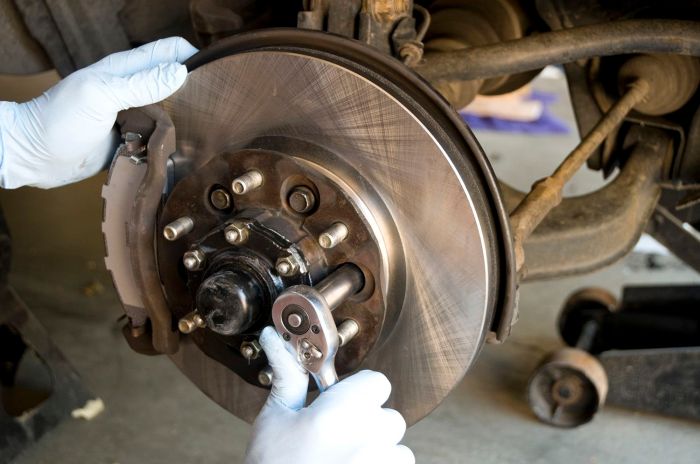
When it comes to maintaining a vehicle, one of the most important aspects is the brake system, particularly the brake pads. Understanding the costs associated with brake pad replacement is vital for every car owner. Several factors can influence these costs, including the type of materials used for the brake pads, labor charges, and even geographical location.The average cost of brake pad replacement varies significantly based on the quality and type of brake pads selected, as well as the labor rates in your area.
Generally, there are three main types of brake pads: ceramic, metallic, and organic. Each type comes with its own price point and benefits.
Factors Influencing Brake Pad Replacement Costs
Several elements determine the cost of brake pad replacement, including material choice and labor costs.
- Materials: The choice of brake pad material can considerably affect the price. Ceramic pads, known for their low dust and quiet operation, typically range from $50 to $150 per axle. Metallic pads, while more durable and suited for high-performance vehicles, average between $30 and $100. Organic pads, often the least expensive, can be found for $25 to $75.
- Labor Costs: Labor rates vary based on the repair shop’s location and expertise. On average, labor can cost between $75 and $150 per hour, with most brake pad replacements taking about an hour to complete.
- Vehicle Type: The make and model of your vehicle can also impact costs. Luxury vehicles or those with specialized braking systems may require more expensive pads and higher labor fees.
- Geographical Location: Prices can fluctuate based on where you live. Urban areas often have higher costs due to increased demand and overhead costs for repair shops compared to rural locations.
“Understanding the interplay between materials, labor, and geographical factors can help car owners make informed decisions about brake pad replacements.”
Factors like local market rates also play a role, as regions with more automotive activity may see competitive pricing, while those with fewer options might charge more. Choosing the right brake pads is not just about the initial costs but also about the long-term performance and safety of your vehicle. For example, investing in high-quality ceramic pads may save you money over time by reducing wear and tear on your brake system.In summary, knowing the costs associated with brake pad replacement and the various factors influencing them can empower vehicle owners to make better, budget-friendly decisions.
Additional Costs Associated with Brake Pad Replacement
When it comes to brake pad replacement, the initial cost of the pads and installation is just part of the picture. Various additional costs can impact the overall expense, making it essential for car owners to understand what these might be. Being aware of potential extra charges can help in budgeting for a complete brake service and avoiding surprises at the mechanic.Several factors can contribute to the additional costs associated with brake pad replacement.
One primary consideration is whether any other components of the brake system require attention. Common scenarios include rotor resurfacing, brake fluid replacement, or even caliper servicing. These components play a critical role in the overall braking performance and safety of the vehicle.
Potential Additional Services and Their Costs
It’s important to examine the potential additional services that may be needed during brake pad replacement. Below is a breakdown of these services and their typical costs:
- Rotor Resurfacing: This process involves smoothing out the brake rotors to ensure proper contact with the new pads. Typically, this service costs between $50 to $100 per rotor, depending on the vehicle and location.
- Brake Fluid Change: Replacing old brake fluid can enhance braking performance and prolong the life of the brake system. This service generally ranges from $70 to $120.
- Caliper Inspection and Service: If calipers show signs of wear or seizing, they may need to be serviced or replaced. Costs for caliper service can range from $100 to $300, depending on the extent of the work required.
When considering these additional services, it’s essential to understand their importance for the overall braking system. Regular maintenance can prevent more severe issues and ensure safe driving conditions.
Service Charges for Brake Pad Installation
Service charges for brake pad installation can vary significantly based on several factors, including the type of vehicle, local labor rates, and whether the service is performed at an independent shop or a dealership. Here’s a general overview of what to expect:
- Independent Shops: Typically charge between $100 to $150 per axle for brake pad replacement, with labor costs being lower compared to dealerships.
- Dealerships: The cost at a dealership can range from $150 to $250 per axle, as they often charge higher labor rates and may use OEM parts.
Choosing between an independent mechanic and a dealership can affect not only the price but also the level of service received. Dealerships may offer specialized knowledge of specific makes and models, while independent shops can provide more competitive pricing and personalized service.
Comparative Costs of Mechanic Expertise
The expertise of the mechanic performing the brake pad replacement plays a significant role in determining the cost. While it might be tempting to opt for the lowest price, the best value often comes from evaluating the balance between cost and expertise. Mechanics with extensive experience and specialized training may charge higher rates, but they can ensure that the work is done efficiently and correctly.
In contrast, less experienced mechanics may offer lower prices but could lead to more frequent issues or improper installations.
“Investing in quality service can prevent costly repairs down the line and ensure your braking system functions safely and effectively.”
The Process of Brake Pad Replacement
Replacing brake pads is a crucial maintenance task that ensures the safety and efficiency of your vehicle. Understanding the process can empower you, whether you choose to do it yourself or hire a professional. This guide will walk you through the steps involved in brake pad replacement, the necessary tools, and safety precautions to take.To replace brake pads, you will typically need the following tools: a car jack, jack stands, lug wrench, socket set, brake cleaner, c-clamp or brake caliper tool, and a torque wrench.
Safety is paramount; always wear safety glasses and gloves, and ensure your vehicle is securely lifted and supported before starting work. Here’s a step-by-step breakdown of the procedure.
Step-by-Step Procedure for Replacing Brake Pads
The following steps Artikel the process of replacing brake pads:
1. Prepare Your Vehicle
Park on a level surface, engage the parking brake, and loosen the lug nuts slightly while the wheels are still on the ground.
2. Lift the Vehicle
Use a car jack to raise the vehicle and secure it with jack stands. Never rely solely on the jack for support.
3. Remove the Wheel
Take off the lug nuts completely and remove the wheel to access the brake assembly.
4. Remove the Caliper
Locate the caliper bolts and remove them using a socket wrench. Carefully slide the caliper off the brake rotor.
5. Remove Old Brake Pads
The old brake pads can be removed from the caliper bracket. Note their orientation for reference when installing new pads.
6. Compress the Caliper Piston
Use a c-clamp or brake caliper tool to compress the caliper piston back into the housing. This allows enough space for the new, thicker brake pads.
7. Install New Brake Pads
Place the new brake pads into the caliper bracket, ensuring they are oriented correctly.
8. Reattach the Caliper
Slide the caliper back over the new pads and reattach it using the caliper bolts. Make sure to tighten them to the manufacturer’s specifications using a torque wrench.
9. Reinstall the Wheel
Place the wheel back on and hand-tighten the lug nuts.1
-
0. Lower the Vehicle
Carefully lower the vehicle off the jack stands.
- 1
- 1
1. Tighten Lug Nuts
Once the vehicle is on the ground, tighten the lug nuts to the specified torque.
2. Test the Brakes
Before driving, pump the brakes a few times to ensure the pads are seated properly and test the brake pedal firmness.
DIY Brake Pad Replacement Considerations
Choosing to replace your brake pads yourself can save money, but it’s essential to weigh the pros and cons. Here are some considerations for DIY versus professional installation:
DIY Advantages
Cost savings on labor.
Control over the quality of parts used.
Flexibility in scheduling your repair.
DIY Disadvantages
Requires a basic understanding of vehicle mechanics.
Potential for mistakes if proper procedure isn’t followed.
Risks associated with not having professional tools.
Professional installation offers assurance and generally includes warranties on parts and labor. Mechanics have the expertise to identify additional issues that may arise during the process, ensuring your brakes are in optimal condition.
Importance of Regular Brake Inspections
Regular brake inspections are essential for maintaining the longevity of your brake pads and overall braking system. Here are key points highlighting the importance:
- Regular inspections can identify wear and tear before it leads to more severe issues.
- Mechanics can check for other components needing maintenance, like rotors and calipers.
- The lifespan of brake pads can vary based on driving habits, vehicle type, and environmental factors.
It is recommended to have your brakes inspected every 6,000 to 10,000 miles or following the manufacturer’s guidelines. This proactive approach can ultimately save you money by extending the lifespan of your braking components and enhancing your vehicle’s safety.
Final Summary
In summary, knowing the ins and outs of brake pad replacement cost not only helps you budget better but also empowers you to make informed decisions regarding your vehicle’s maintenance. Regular inspections and understanding potential additional costs can save you money and enhance safety, ensuring your brakes are always in top shape.
Helpful Answers
How often should I replace my brake pads?
Brake pads typically need replacement every 30,000 to 70,000 miles, depending on driving habits and pad materials.
What is the average cost for brake pad replacement?
Average costs range from $100 to $300 for parts and labor, varying by vehicle type and location.
Can I replace brake pads myself?
Yes, DIY brake pad replacement is possible if you have the right tools and knowledge, but it’s essential to prioritize safety.
What additional costs might I face during replacement?
Additional costs may include rotor resurfacing or replacing other brake components if they’re worn.
Do dealership services cost more than independent shops?
Yes, dealership services usually charge more due to brand expertise and higher overhead costs.


