
The emissions test repair process is crucial for vehicle owners aiming to maintain their car’s performance and comply with environmental regulations. Understanding this process not only helps keep your vehicle running efficiently but also contributes to reducing harmful pollutants in our atmosphere.
Emissions tests play a vital role in automotive maintenance by identifying common pollutants and assessing how well vehicles are adhering to emission standards. This overview will take you through the various aspects of emissions testing, common failures, and necessary repairs to ensure your vehicle meets the required standards.
Emissions Test Overview
Emissions tests are essential components of automotive maintenance aimed at ensuring vehicles comply with environmental regulations. These tests evaluate the levels of harmful pollutants emitted by vehicles, helping to reduce overall air pollution and protect public health. Through regular emissions testing, vehicle owners can contribute to a cleaner, healthier environment while ensuring their vehicles run efficiently.
The process of emissions testing is designed to measure specific pollutants that vehicles produce during operation. Common pollutants assessed during these tests include nitrogen oxides (NOx), carbon monoxide (CO), hydrocarbons (HC), and particulate matter (PM). By monitoring these emissions, regulatory bodies can enforce standards that limit the environmental impact of motor vehicles.
Pollutants Measured During Emissions Testing
Understanding the pollutants measured during emissions testing is crucial for recognizing the environmental impact of automotive emissions. The primary pollutants include:
- Nitrogen Oxides (NOx): These compounds are produced at high temperatures during combustion and contribute to smog and respiratory issues.
- Carbon Monoxide (CO): A colorless and odorless gas that can be harmful when inhaled, CO is produced when fuel is not completely burned.
- Hydrocarbons (HC): These are unburned fuel vapors that can contribute to ozone formation and have various health effects.
- Particulate Matter (PM): Tiny particles that can penetrate the lungs and cause serious health problems are often emitted from diesel vehicles.
The significance of measuring these pollutants lies in their direct impact on air quality and public health, making it vital for vehicles to meet established emission standards. The test results can indicate whether a vehicle requires maintenance or repair to minimize its environmental footprint.
Process of Conducting an Emissions Test
The emissions testing process typically involves several key steps to accurately assess a vehicle’s emissions. Here’s a general overview of the steps involved:
- Preparation: The vehicle is brought to a designated emissions testing facility, where it is inspected for any visible leaks or issues.
- Testing Equipment: The technician connects the vehicle to specialized equipment that measures the exhaust emissions while the vehicle is running.
- Idle and Accelerated Tests: The vehicle is tested at idle and during acceleration to evaluate emissions under different operating conditions.
- Data Analysis: The collected data is analyzed to determine the level of pollutants emitted, which is compared against regulatory standards.
- Report Generation: Finally, a report is generated, detailing the emissions levels and indicating whether the vehicle passed or failed the test.
The entire process is designed to be efficient and systematic, ensuring that vehicles comply with the regulations to reduce harmful emissions effectively. Regular emissions testing not only helps in maintaining vehicle performance but also plays an integral role in environmental stewardship.
Common Emissions Test Failures
Many vehicles fail emissions tests due to various issues that could range from minor repairs to significant malfunctions. Understanding the common reasons for these failures can help vehicle owners address problems proactively, ensuring compliance with environmental regulations and maintaining vehicle efficiency.The On-Board Diagnostics (OBD) system plays a crucial role in identifying the underlying issues contributing to emissions failures. By monitoring the performance of various components, the OBD system can alert drivers and technicians to specific problems that may cause increased emissions.
Being aware of these common failures, as well as the necessary repairs, can significantly enhance vehicle performance and reduce harmful emissions.
Top Reasons for Emissions Test Failures
Several factors can lead vehicles to fail emissions tests. The following list highlights the most common reasons, emphasizing the importance of each in maintaining compliance:
- Faulty Oxygen Sensors: Oxygen sensors measure the amount of unburned oxygen in a vehicle’s exhaust. A malfunctioning sensor can lead to incorrect fuel mixture adjustments, increasing emissions.
- Exhaust Leaks: Leaks in the exhaust system can allow harmful gases to escape before they are treated by the catalytic converter, resulting in higher emissions levels.
- Check Engine Light (CEL) Issues: If the CEL is illuminated, it indicates a problem detected by the OBD system. This could range from minor issues to critical failures that could affect emissions.
- Malfunctioning Catalytic Converters: Catalytic converters play a vital role in converting harmful gases into less harmful emissions. A failing converter can lead to increased pollution.
- Fuel System Problems: Issues such as clogged fuel injectors or fuel pressure problems can affect combustion efficiency, resulting in higher emissions.
Significance of the OBD System in Failure Analysis
The OBD system provides real-time data about the vehicle’s performance and emissions-related components. It continuously monitors the engine and emissions systems and generates diagnostic trouble codes (DTCs) whenever it detects a fault. This information is crucial for technicians when diagnosing emissions test failures. The OBD system logs various parameters, such as fuel trim levels and catalytic converter efficiency, which can help pinpoint the exact cause of a failure.
For instance, if the OBD indicates a problem with the oxygen sensor, technicians will likely start their diagnostics in that area, potentially saving time and repair costs.
Examples of Specific Repairs Needed
Addressing emissions test failures often requires targeted repairs. Here are some typical repairs based on common failure causes:
- Oxygen Sensor Replacement: If the oxygen sensors are faulty, replacing them can restore proper fuel mixture control and reduce emissions.
- Exhaust System Repairs: Fixing leaks in the exhaust system, including replacing gaskets or damaged pipes, can help ensure that emissions are properly processed.
- Check Engine Light Resolution: Diagnosing and addressing the underlying issues that trigger the CEL is essential. This may involve software updates, sensor replacements, or wiring repairs.
- Catalytic Converter Replacement: If the catalytic converter is found to be inefficient or damaged, replacing it will likely be necessary to meet emissions standards.
- Fuel System Cleaning: Cleaning or replacing clogged fuel injectors can improve combustion efficiency, which may help reduce harmful emissions.
Automotive Repairs Related to Emissions
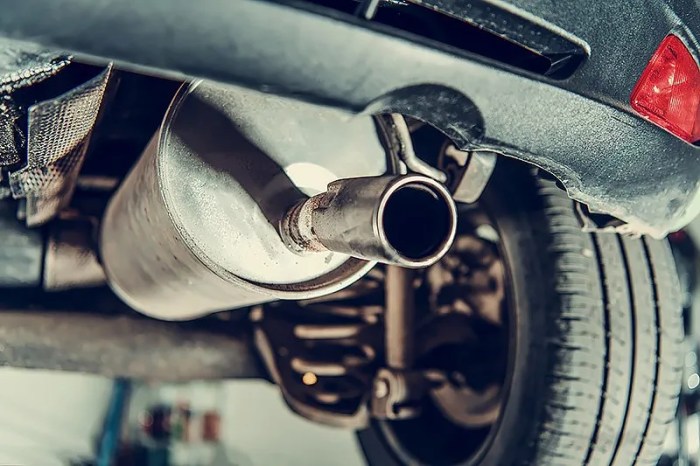
When a vehicle fails an emissions test, it often requires specific repairs to ensure compliance with environmental regulations. These repairs are critical not only for passing the test but also for enhancing vehicle efficiency and longevity. Understanding the common issues and appropriate repair strategies can save time and money while contributing to a cleaner environment.After an emissions test failure, several types of repairs may be necessary.
Addressing these issues promptly can prevent further damage to the vehicle and ensure it runs more efficiently. Repairs typically include fixing or replacing components like the catalytic converter, oxygen sensors, or exhaust gas recirculation (EGR) valves. Each of these components plays a vital role in controlling emissions, and failure to resolve the issues can lead to repeated test failures and potential fines.
Common Repairs After Emissions Test Failure
It is essential to understand the specific repairs that may be required to restore a vehicle’s compliance. Below are typical repairs associated with failed emissions tests:
- Catalytic Converter Replacement: A malfunctioning catalytic converter can lead to increased emissions. Replacing it with a certified part ensures the new converter meets environmental standards.
- Oxygen Sensor Replacement: Oxygen sensors monitor the level of unburned oxygen in the exhaust. A faulty sensor can disrupt the air-fuel mixture, causing higher emissions. Replacing it with a certified sensor is crucial for proper vehicle functioning.
- Exhaust Gas Recirculation (EGR) Valve Repair: The EGR system reduces nitrogen oxide emissions. A clogged or malfunctioning EGR valve must be repaired or replaced to meet emissions standards.
- Fuel Injector Cleaning or Replacement: Dirty or malfunctioning fuel injectors can cause incomplete combustion, leading to higher emissions. Cleaning or replacing them can improve efficiency and compliance.
- Evaporative Emissions Control System Repair: Issues within the evaporative emissions system, such as a faulty gas cap, can lead to emissions leaks. Repairing or replacing affected components is necessary for compliance.
Using certified parts for emissions-related repairs is vital for ensuring compliance with emissions regulations. Certified parts are designed and tested to meet specific standards, which can improve vehicle performance and reduce the likelihood of future emissions-related issues. Utilizing counterfeit or subpar components may lead to further engine problems or environmental harm.
Diagnosing and Fixing Emissions-Related Issues
Diagnosing emissions-related problems effectively is essential to carrying out the correct repairs. Below is a step-by-step guide to identifying and addressing these issues:
- Check Engine Light Diagnosis: Begin with a diagnostic scan to determine if there are any trouble codes related to emissions. Codes can guide the technician to specific components that may need attention.
- Visual Inspection: Inspect visible components such as hoses, connectors, and the exhaust system for any signs of damage, leaks, or wear that could affect emissions.
- Component Testing: Use multimeters or specialized tools to test the functionality of critical emissions components, such as oxygen sensors and EGR valves, to ensure they are operating correctly.
- Assess Fuel and Air Mix: Check for issues in the fuel injection system and air intake that might lead to an improper air-fuel mixture, which can cause higher emissions.
- Replace Faulty Parts: Based on the diagnostics, replace any identified failing components with certified parts to restore compliance.
- Perform a Smoke Test: To check for leaks in the evaporative emissions system, a smoke test can help identify any issues that may contribute to excess emissions.
- Final Testing: After repairs, retest the vehicle to ensure that emissions levels are within acceptable limits and that the vehicle passes the emissions test.
Using certified parts not only ensures compliance but also contributes to the vehicle’s overall performance and reliability.
Summary
By understanding emissions test repair, you empower yourself to make informed decisions regarding your vehicle’s maintenance and repairs. With knowledge of common failures and the importance of certified parts, you can navigate the emissions repair landscape with confidence, ensuring both your car’s performance and the health of our environment.
Helpful Answers
What should I do if my vehicle fails the emissions test?
If your vehicle fails the emissions test, you’ll need to diagnose the issue, typically using a mechanic’s expertise, and perform necessary repairs before retesting.
How often do emissions tests need to be done?
The frequency of emissions tests can vary by state, but they are usually required every one to two years, depending on local regulations.
Can I drive my car if it has failed the emissions test?
While you can technically drive a car that has failed, it’s advisable to avoid doing so until repairs are made, as it may lead to further environmental harm and fines.
Are there any DIY methods to fix emissions issues?
Some minor issues can be addressed through DIY methods, like replacing air filters or spark plugs, but more complex problems typically require professional diagnosis and repair.
Why is the OBD system important for emissions testing?
The On-Board Diagnostics (OBD) system monitors vehicle performance and emissions; it helps identify issues that could lead to a failed emissions test, allowing for targeted repairs.


